Your garbage disposal is one of the most convenient appliances in your kitchen—but it’s not a trash can. Every year, homeowners experience clogged drains, damaged garbage disposals, and expensive plumbing repairs because the wrong items are sent down the drain.
At HIS Plumber, we’ve seen firsthand how small mistakes can lead to major plumbing problems. Knowing what not to put down your garbage disposal can help protect your plumbing system, extend the life of your disposal, and save you money on emergency repairs.
1. Grease, Oil, and Fat
One of the biggest mistakes homeowners make is pouring grease or cooking oil down the disposal. While it may seem harmless when liquid, grease cools and hardens inside your pipes, creating stubborn blockages.
Instead: Allow grease to cool and dispose of it in a sealed container.
Need Help with a Clogged Kitchen Drain?
Don’t wait until a minor clog becomes a major plumbing emergency. Contact HIS Plumber today for professional drain cleaning services and fast solutions.
2. Coffee Grounds
Many people assume coffee grounds are safe because they’re small. Unfortunately, coffee grounds can accumulate in pipes and combine with grease and debris to create dense blockages.
Over time, this buildup can restrict water flow and lead to costly drain cleaning services.
3. Eggshells
A common myth suggests eggshells sharpen garbage disposal blades. In reality, disposal units don’t have blades—they use impellers to grind food waste.
Eggshell membranes can wrap around disposal components while the shell fragments contribute to drain buildup.
4. Fibrous Vegetables
Celery, asparagus, corn husks, onion skins, and artichokes contain tough fibers that can tangle around the disposal’s moving parts.
These materials often cause jams, reduce efficiency, and can eventually damage the motor.
5. Pasta, Rice, and Bread
These foods expand when exposed to water. What starts as a small amount can swell inside your pipes and create significant blockages.
Even after passing through the disposal, these starchy foods continue absorbing water, increasing the risk of clogged drains.
Experiencing Slow Drains?
Call HIS Plumber today for expert drain inspection and professional plumbing services before the problem gets worse.
6. Bones and Fruit Pits
While some garbage disposals can handle small soft bones, large bones and fruit pits are too hard for most residential units.
These items can damage internal components, dull grinding mechanisms, and potentially cause complete disposal failure.
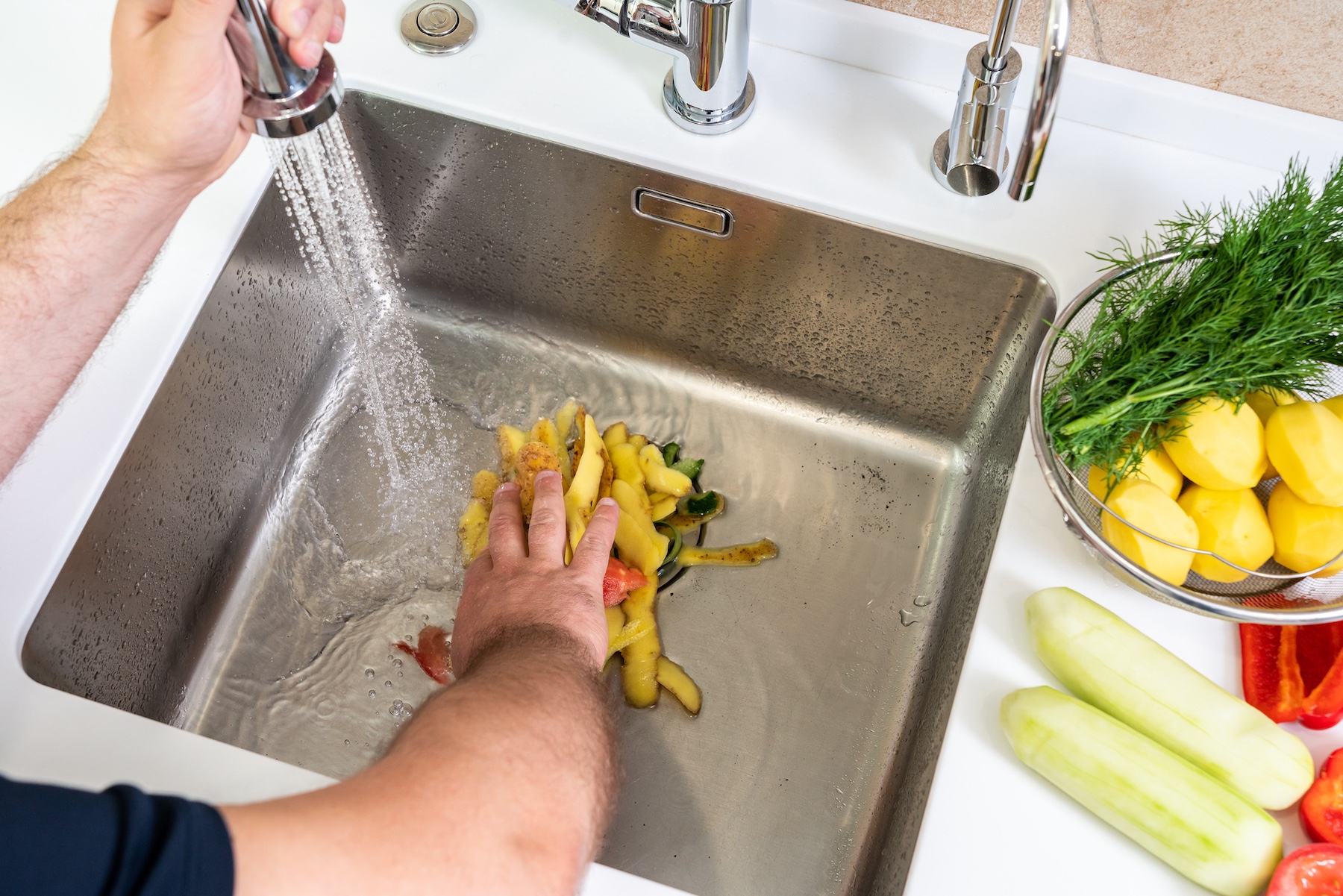
7. Potato Peels
Potato peels create a thick, starchy paste that can quickly clog drains and disposal units.
If you’re peeling multiple potatoes, it’s best to place the peels directly into the trash or compost bin.
8. Non-Food Items
This may seem obvious, but bottle caps, twist ties, plastic wrappers, paper towels, and utensils frequently find their way into garbage disposals.
These objects can cause immediate damage and often require professional removal.
How to Keep Your Garbage Disposal Running Properly
To maximize the lifespan of your garbage disposal:
- Run cold water before, during, and after use.
- Feed food waste gradually.
- Clean the disposal regularly.
- Avoid overloading the unit.
- Schedule routine plumbing maintenance.
Proper care can help prevent breakdowns and keep your kitchen plumbing functioning efficiently.
Trust HIS Plumber for Garbage Disposal Repair and Plumbing Services
If your garbage disposal is making unusual noises, draining slowly, leaking, or not turning on, don’t ignore the warning signs. Fast action can often prevent more extensive damage to your plumbing system.
At HIS Plumber, we provide:
- Garbage disposal repair
- Garbage disposal replacement
- Drain cleaning services
- Kitchen plumbing repairs
- Emergency plumbing services
- Residential plumbing maintenance
Whether you’re dealing with a clogged garbage disposal, a backed-up sink, or need a new disposal installation, HIS Plumber is here to help. 770.252.9966