Don’t Wait for a Plumbing Disaster to Strike Your Home.
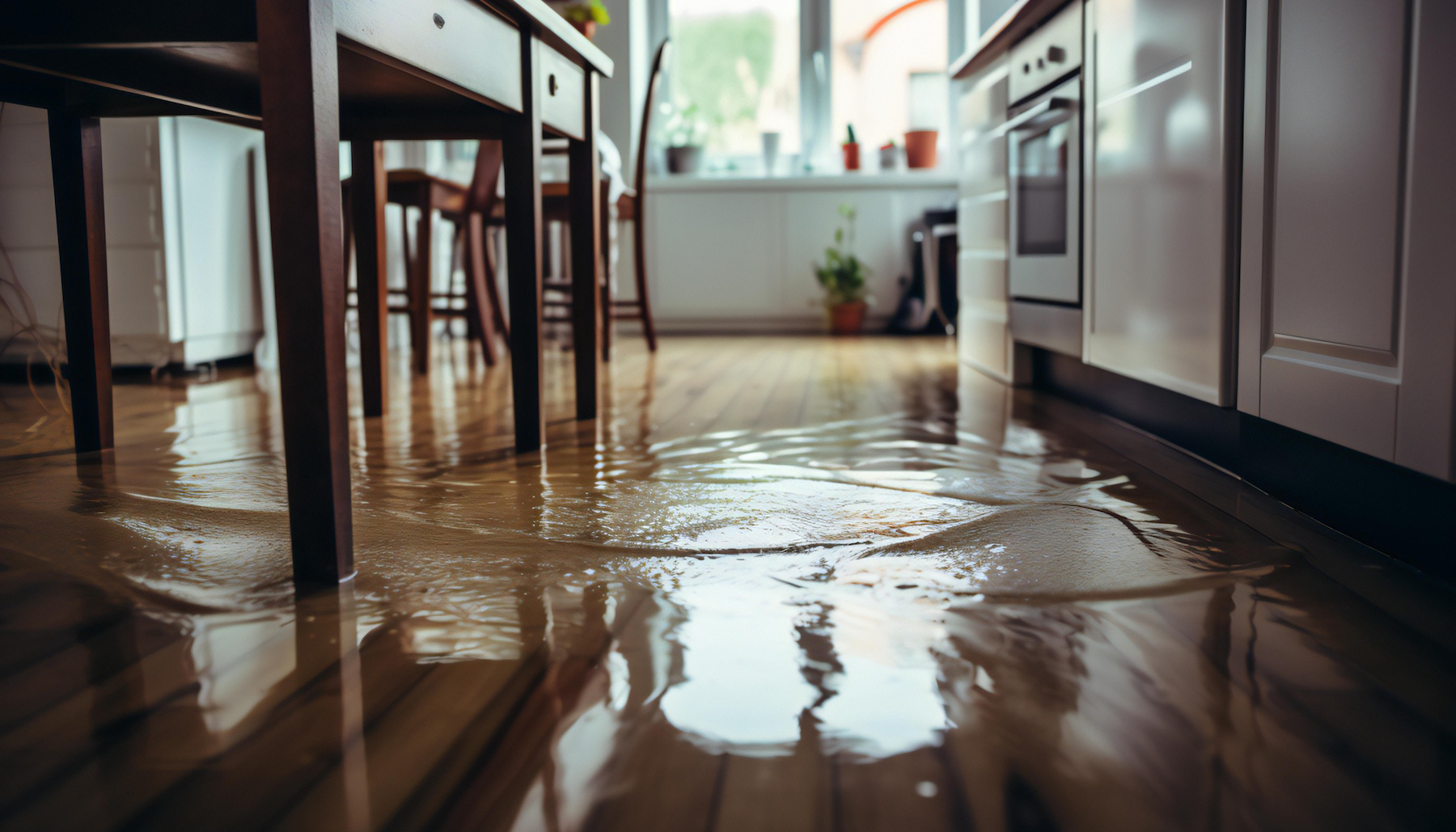
Few things can disrupt your day faster than a plumbing emergency. Whether it’s a burst pipe flooding your home, a backed-up sewer line creating a health hazard, or a water heater failing without warning, plumbing emergencies often happen at the worst possible time—and can lead to costly repairs if not addressed quickly..
At HIS Plumber, we’ve seen firsthand how unexpected plumbing problems can damage homes, increase water bills, and create stress for homeowners. The good news? Many of the most common plumbing emergencies are preventable with proper maintenance and early intervention.
In this guide, we’ll cover the most common plumbing emergencies homeowners face, warning signs to watch for, and practical steps you can take to avoid expensive repairs.
If you’re dealing with a plumbing emergency right now, don’t wait. Call us TODAY. 770.252.9966
Call HIS Plumber today for fast, reliable emergency plumbing service. Our experienced technicians are available to diagnose and repair your plumbing issues before they become major disasters.
1. Busted Pipes
A busted pipe is one of the most damaging plumbing emergencies a homeowner can experience. A single compromised pipe can release hundreds of gallons of water into your home, causing extensive water damage, mold growth, and structural issues.
Common Causes of Busted Pipes
-
- Freezing temperatures
- Aging or corroded pipes
- Excessive water pressure
- Pipe clogs creating pressure buildup
- Tree root intrusion
Warning Signs
-
- Reduced water pressure
- Strange noises in pipes
- Water stains on walls or ceilings
- Unexpected increases in water bills
- Damp spots around your home
How to Prevent Busted Pipes
-
- Insulate exposed pipes during winter.
- Schedule regular plumbing inspections.
- Monitor water pressure levels.
- Repair small leaks immediately.
- Replace aging plumbing systems before they fail.
Emergency Tip
Know where your home’s main water shut-off valve is located. Shutting off the water immediately can significantly reduce damage if a pipe bursts.
2. Sewer Line Backups
Few plumbing emergencies are more unpleasant than a sewer backup. When wastewater can’t properly exit your home, it can back up into sinks, showers, toilets, and floor drains.
Common Causes
-
- Tree root intrusion
- Grease buildup
- Flushed wipes and hygiene products
- Collapsed sewer pipes
- Heavy rainfall overwhelming municipal systems
Warning Signs
-
- Multiple drains clogging simultaneously
- Gurgling sounds from toilets
- Sewage odors inside or outside the home
- Water backing up into tubs or showers
How to Prevent Sewer Backups
-
- Never flush wipes, even if labeled “flushable.”
- Avoid pouring grease down drains.
- Schedule sewer camera inspections.
- Have your sewer line professionally cleaned when necessary.
- Address slow drains before they become major blockages.
Emergency Tip
If sewage begins backing up into your home, stop using water immediately and call a professional plumber.
3. Water Heater Failure
Nothing gets your attention quite like stepping into an ice-cold shower.
Water heater failures often occur without warning, leaving families without hot water and sometimes causing significant water damage.
Common Causes
-
- Sediment buildup
- Corrosion inside the tank
- Faulty heating elements
- Aging equipment
- High water pressure
Warning Signs
-
- Inconsistent hot water
- Rust-colored water
- Strange popping or rumbling noises
- Water leaks near the tank
- Reduced hot water supply
How to Prevent Water Heater Emergencies
-
- Flush your water heater annually.
- Replace the anode rod when needed.
- Schedule annual maintenance inspections.
- Monitor the unit for signs of corrosion.
- Replace older units before failure occurs.
Most traditional water heaters last between 8 and 12 years.
4. Overflowing Toilets
An overflowing toilet can quickly turn from an inconvenience into a serious water damage issue.
Common Causes
-
- Drain blockages
- Sewer line issues
- Excessive toilet paper use
- Foreign objects flushed down the toilet
Warning Signs
-
- Frequent clogs
- Slow flushing
- Rising water levels
- Gurgling noises
How to Prevent Toilet Overflows
-
- Only flush toilet paper and human waste.
- Keep children’s toys away from toilets.
- Address recurring clogs promptly.
- Schedule drain cleaning when needed.
Emergency Tip
Locate the shutoff valve behind the toilet. Turning it off can stop water flow and prevent further overflow.
5. Major Drain Clogs
A clogged drain may seem minor at first, but severe blockages can eventually lead to overflowing sinks, standing water, and damaged plumbing systems.
Common Causes
-
- Hair buildup
- Soap scum accumulation
- Grease and food waste
- Foreign objects
- Mineral deposits
Warning Signs
-
- Slow-draining sinks
- Standing water
- Bad odors
- Recurring clogs
How to Prevent Drain Emergencies
-
- Use drain strainers.
- Avoid chemical drain cleaners.
- Keep grease out of kitchen drains.
- Schedule professional drain cleaning.
- Regularly flush drains with hot water.
Professional drain maintenance is one of the easiest ways to prevent expensive plumbing emergencies.
6. Slab Leaks
Slab leaks occur when water pipes beneath your home’s foundation develop leaks. Left untreated, they can cause severe structural damage.
Warning Signs
-
- Warm spots on floors
- Cracks in walls or flooring
- High water bills
- Mold growth
- Sounds of running water
How to Prevent Slab Leak Damage
-
- Monitor your water bill monthly.
- Investigate unexplained moisture immediately.
- Schedule leak detection services if you suspect a problem.
Early detection can save thousands in foundation repairs.
7. Gas Line Leaks
Gas leaks are among the most dangerous emergencies homeowners can face.
Warning Signs
-
- Rotten egg smell
- Hissing sounds
- Dead vegetation near gas lines
- Physical symptoms like headaches or dizziness
What To Do Immediately
-
- Leave the property immediately.
- Avoid using electrical devices.
- Call your gas company.
- Contact a licensed plumber experienced in gas line repair.
Prevention Tips
-
- Schedule routine inspections.
- Replace aging gas lines.
- Address corrosion promptly.
Why Preventive Plumbing Maintenance Matters
Many homeowners only call a plumber when something breaks. Unfortunately, waiting until an emergency occurs often leads to:
-
- Higher repair costs
- Water damage
- Mold growth
- Property damage
- Emergency service expenses
Routine plumbing maintenance helps identify problems before they become emergencies.
Benefits include:
-
- Lower repair costs
- Improved water efficiency
- Longer equipment lifespan
- Better water pressure
- Greater peace of mind
A simple annual plumbing inspection can uncover hidden issues before they become major headaches.
Signs You Should Call a Plumber Immediately
Don’t ignore these warning signs:
-
- Sudden loss of water pressure
- Water stains on walls or ceilings
- Unexplained increases in water bills
- Persistent drain clogs
- Sewage odors
- No hot water
- Running water sounds when fixtures aren’t in use
- Visible leaks
Addressing these issues early can save thousands in repairs.
Why Homeowners Trust HIS Plumber
At HIS Plumber, we understand that plumbing emergencies don’t follow a schedule. That’s why our team is committed to providing fast, dependable service when you need it most.
Our services include:
-
- Emergency plumbing repairs
- Water heater repair and installation
- Leak detection
- Sewer line repair
- Drain cleaning
- Toilet repair
- Gas line services
- Whole-home plumbing inspections
Our experienced technicians arrive prepared to diagnose problems quickly and deliver long-lasting solutions.
Schedule Your Plumbing Inspection Today. 770.252.9966